Beyond the Finish Line: Mastering Your Recovery with Advanced Sports Massage Techniques
 by
by 
If you’ve ever pushed through the final kilometer of a marathon, hit a personal best in the weight room, or spent a Saturday afternoon playing a high-intensity game of soccer, you know that “good” kind of sore. It’s the feeling of progress. But let’s be honest: sometimes that soreness lingers a little too long. Your muscles feel tight, your range of motion is restricted, and suddenly, your next workout feels like a chore rather than a triumph.
This is where the magic happens. At Wellness by Healcure, we believe that recovery shouldn’t be an afterthought—it should be a priority. To keep your body performing at its peak, you need more than just a rest day. You need a targeted strategy. Today, we’re diving deep into the world of sports massage techniques to show you how a science-backed approach to bodywork can transform your athletic journey.
What Exactly Are Sports Massage Techniques?
When people hear the word “massage,” they often think of dim lights, cucumber water, and gentle relaxation. While we love a good spa day as much as anyone, sports massage is a different beast entirely. It’s a specialized form of manual therapy designed specifically for people who lead active lifestyles.
Think of it as “functional maintenance” for your body. Sports massage techniques are systematically applied to the muscle groups you use most in your specific sport. Whether you’re a runner in Brampton or a cross-fitter in Mississauga, these techniques are tailored to help you recover faster, move better, and stay injury-free.
The Core 5: Sports Massage Techniques You Should Know
At our clinic, we don’t just “rub” muscles. Our therapists use an evidence-based toolkit to address specific physiological needs. Here are the primary techniques we use to get you back in the game:
- Effleurage (The Warm-Up)
Every great session starts here. Effleurage involves long, sweeping, rhythmic strokes. It might feel like the most “relaxing” part of the session, but it serves a critical purpose. These strokes increase blood flow and lymph drainage, warming up the superficial tissues so we can safely work on the deeper layers. It’s the “warm-up” for your massage.
- Petrissage (The Kneading)
Once the muscles are warm, we move into petrissage. This involves kneading, squeezing, and rolling the muscles. Imagine a baker working dough—that’s essentially what we’re doing with your muscle fibers. This technique is incredible for breaking up deep-seated tension, improving flexibility, and flushing out metabolic waste (like that pesky lactic acid) that builds up during intense exercise.
- Friction (The Knot Breaker)
Got a specific “knot” that just won’t quit? That’s where friction comes in. Using deep, circular, or transverse movements with the thumbs or fingertips, our therapists apply pressure to specific points. This is one of the most effective sports massage techniques for breaking down scar tissue and realigning muscle fibers that have become “clumped” together after an injury or repetitive strain.
- Tapotement (The Energizer)
If you’re coming in for a pre-event massage, you’ll likely experience tapotement. This involves brisk, percussive movements—think “cupping” or “hacking” with the hands. Unlike the slower techniques, tapotement is designed to wake up the nervous system and stimulate blood flow. It’s the perfect way to prime your muscles for peak performance just before a big game or race.
- Trigger Point Therapy (The Precision Tool)
Sometimes, the pain you feel in your shoulder is actually coming from a “trigger point” in your back. This technique involves applying sustained pressure to these hyper-irritable spots. It can be intense, but the “release” you feel afterward is incomparable. It’s all about restoring the natural balance of your musculoskeletal system.
Why Timing is Everything: Pre-Event vs. Post-Event
One of the most common questions we get at Wellness by Healcure is, “When should I book my massage?” The answer depends entirely on your goals.
- The Pre-Event Boost: Ideally done 24–48 hours before your event. The goal here is to increase circulation, improve flexibility, and get you mentally “in the zone.” We focus on lighter, more stimulating sports massage techniques to ensure you feel loose and ready to fly.
- The Post-Event Recovery: This is your best friend after a grueling competition. Done within 24–72 hours after exercise, this session focuses on reducing inflammation, soothing the nervous system, and accelerating the healing of micro-tears in the muscle. It’s the difference between being “out for a week” and being back on your feet in two days.
The Healcure Difference: Science-Backed and Compassionate
You might be wondering, “Can’t I just use a foam roller at home?” While self-care is important, there is no substitute for the hands of a professional. At Wellness by Healcure, our philosophy is built on three pillars:
- Personalization: We know that a marathon runner’s legs have different needs than a hockey player’s shoulders. Every session starts with a conversation about your training, your pain points, and your goals.
- Evidence-Based Care: Our Registered Massage Therapists (RMTs) in Brampton and Mississauga stay at the forefront of the industry. We use sports massage techniques that are proven by science to improve muscle elasticity and reduce recovery time.
- Holistic Wellness: We don’t just treat the symptom; we look at the whole person. Whether it’s suggesting specific stretches or discussing how stress might be contributing to your muscle tension, we’re your partners in long-term health.
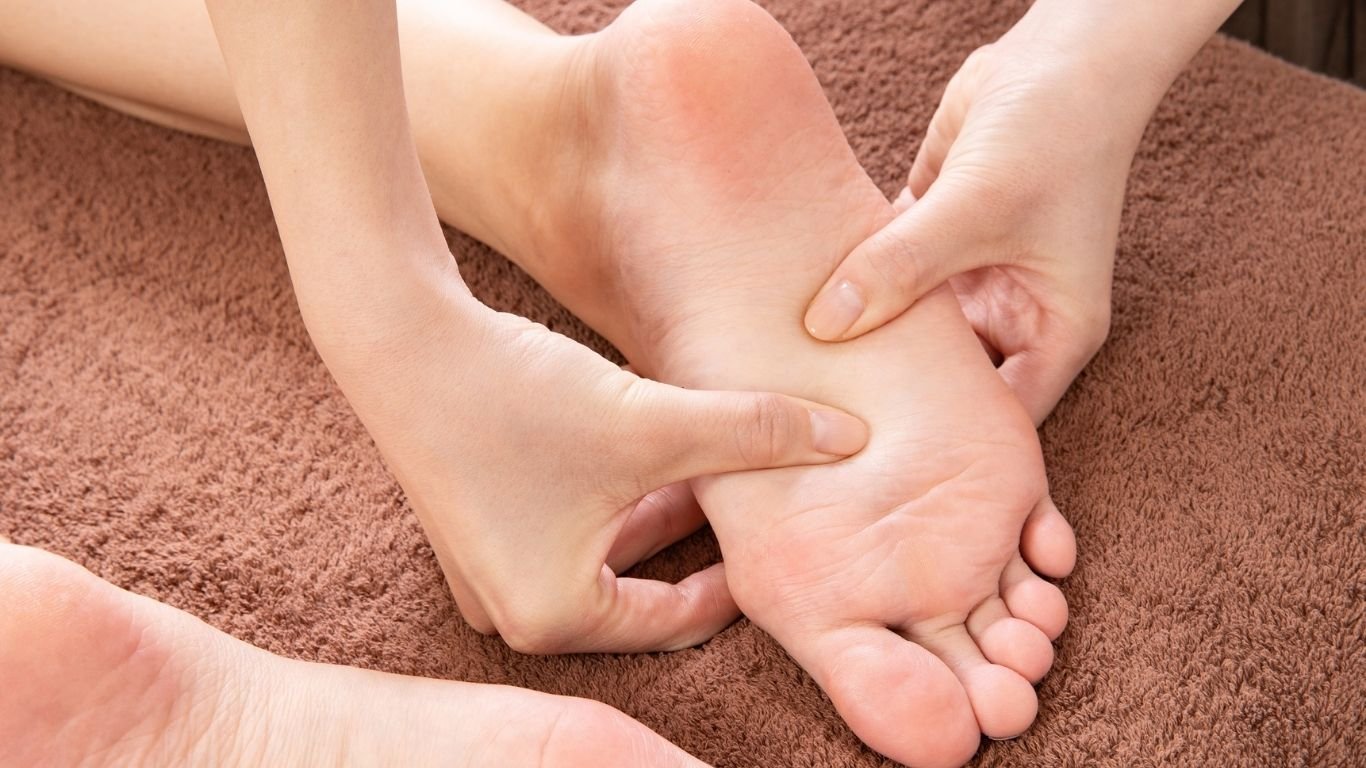
More Than Just Physical: The Mental Edge
Let’s talk about the benefit no one mentions enough: the mental release. Competitive sports are stressful. Training is taxing. When you lie down on our table, you’re giving your mind permission to shut off. By lowering your cortisol levels and stimulating the release of endorphins, our massage sessions help you return to your sport with a clearer head and a more focused mindset. After all, peak performance starts in the brain.
Ready to Level Up Your Game?
Whether you’re a professional athlete or a “weekend warrior” trying to stay active without the aches, your body deserves the best care possible. You invest so much time and energy into your training—don’t let poor recovery hold you back from your potential.
Experience the difference that expert sports massage techniques can make. At Wellness by Healcure, we’re dedicated to helping you move better, feel stronger, and recover faster.
Don’t wait for an injury to happen. Take a proactive step toward your wellness today.
Book Your Appointment at Wellness by Healcure Now!
Frequently Asked Questions About Sports Massage
We get a lot of questions at the clinic about how we do what we do! Here are some of the most common things our clients ask about sports massage techniques and how they can help you stay on top of your game.