Massage Therapy for TMJ Disorder: A Natural Way to Relieve Jaw Pain
 by
by 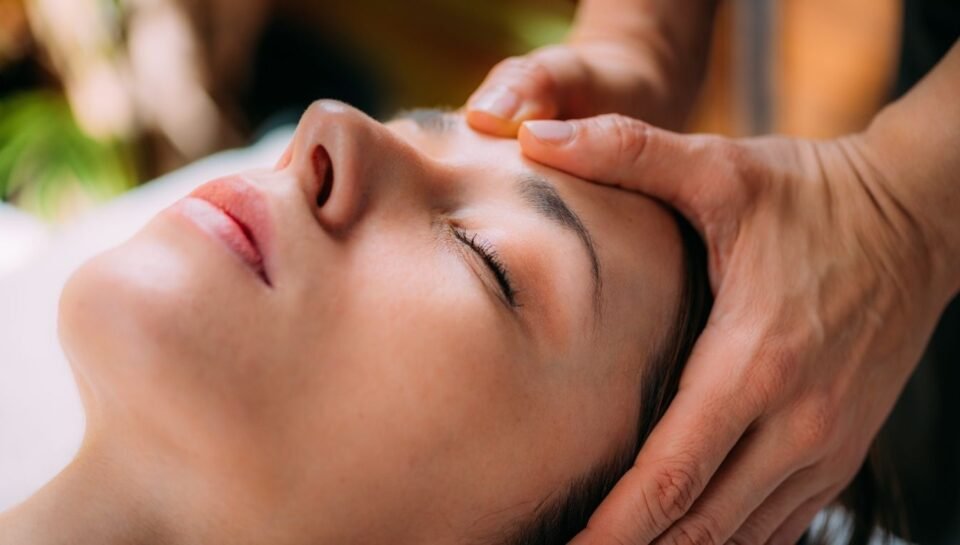
If you’ve ever felt a dull ache in your jaw, heard a clicking sound while chewing, or struggled to fully open your mouth, you might be dealing with TMJ disorder. It’s more common than people think—and it can seriously affect your daily comfort. The good news? There are natural, non-invasive ways to manage it. One of the most effective and often overlooked options is massage therapy for TMJ disorder.
At Wellness by Healcure, we believe healing should feel supportive, not stressful. So let’s talk about how massage therapy works for TMJ issues in a simple, real-life way—no complicated medical jargon.
What Is TMJ Disorder?
TMJ stands for temporomandibular joint. It’s the hinge that connects your jaw to your skull, allowing you to talk, chew, yawn, and express yourself. When this joint or the surrounding muscles become tense, inflamed, or misaligned, it can lead to TMJ disorder.
Common symptoms include:
- Jaw pain or tenderness
- Clicking or popping sounds
- Difficulty opening or closing your mouth
- Headaches or earaches
- Neck and shoulder tension
These symptoms don’t just stay in your jaw—they can ripple into your everyday life, making simple things like eating or speaking uncomfortable.
Why Does TMJ Disorder Happen?
There isn’t always a single cause. TMJ issues can develop from:
- Stress and teeth grinding
- Poor posture
- Injury to the jaw or face
- Arthritis
- Muscle tension in the neck and shoulders
Think of your jaw as part of a bigger system. When your neck, shoulders, or even your emotional stress levels are off balance, your jaw often feels it too.
How Massage Therapy Helps TMJ Disorder?
Now let’s get to the heart of it—how massage therapy for TMJ disorder can actually help.
Imagine your jaw muscles are like tightly knotted strings. Massage therapy works by gently loosening those knots, improving blood flow, and helping your muscles relax.
Here’s what it does in a more practical sense:
1. Releases Muscle Tension
Tight muscles around the jaw, face, and neck are a big contributor to TMJ pain. Massage therapy targets these areas and helps them soften and relax.
2. Improves Blood Circulation
Better circulation means more oxygen and nutrients reach the tissues, which helps reduce inflammation and speed up healing.
3. Reduces Pain Naturally
Instead of relying on medication, massage therapy encourages your body to release natural pain-relieving chemicals like endorphins.
4. Improves Jaw Mobility
Over time, regular sessions can help you open and close your mouth more comfortably, without stiffness or pain.
5. Lowers Stress Levels
Since stress is a major trigger for jaw clenching, massage therapy helps calm your nervous system—which indirectly benefits your TMJ.
What Happens During a TMJ Massage Session?
If you’ve never tried it before, you might be wondering what a session actually feels like.
At Wellness by Healcure, the approach is gentle, personalized, and focused on your comfort. A trained therapist will typically work on:
- Jaw muscles
- Cheeks and temples
- Neck and shoulders
You might feel some tenderness at first—especially if the muscles are tight—but it should never feel unbearable. Most people describe it as a “good kind of relief,” like finally loosening a long-held tension.
Can You Do Anything at Home?
Absolutely. While professional massage therapy for TMJ disorder is incredibly helpful, there are small things you can do daily to support your jaw:
- Practice gentle jaw stretches
- Apply a warm compress to relax tight muscles
- Be mindful of clenching
- Improve your posture—keep your head aligned with your spine
- Avoid hard or chewy foods when your jaw is irritated
Think of these as little habits that keep your progress going between sessions.
Why Choose a Professional Approach?
You might be tempted to just massage your jaw yourself—and while that can help a bit, professional therapy goes deeper.
A trained therapist understands:
- The exact muscle groups involved in TMJ disorder
- How to apply the right pressure safely
- How your jaw connects to your neck and upper body
At Wellness by Healcure, the goal isn’t just temporary relief—it’s long-term improvement. Every session is tailored to what your body needs that day.
How Long Does It Take to See Results?
This is a common question, and the honest answer is: it depends.
Some people feel noticeable relief after just one session. For others, especially with long-term TMJ issues, it may take a few consistent visits.
The key is consistency. Think of it like going to the gym—you don’t build strength in one day, but with regular effort, the results come.
Is Massage Therapy Safe for TMJ?
Yes, when done by a qualified professional, massage therapy for TMJ disorder is generally very safe. It’s non-invasive, drug-free, and works with your body rather than against it.
Of course, if you have severe symptoms or an underlying condition, it’s always a good idea to consult with a healthcare provider alongside your therapy.
A Gentle Step Toward Relief
Living with TMJ disorder can be frustrating, especially when it affects things you do every day without thinking—like eating, talking, or even smiling.
Massage therapy offers a natural, supportive way to ease that discomfort. It doesn’t just treat the symptoms; it helps your body relax, reset, and heal over time.
At Wellness by Healcure, the focus is on making you feel heard, comfortable, and cared for. Because healing isn’t just about fixing a problem—it’s about feeling better in your body again.
Final Thoughts
If jaw pain has been quietly bothering you, it might be time to give your body the attention it deserves. Massage therapy for TMJ disorder isn’t just a treatment—it’s a step toward better daily comfort and long-term wellness.
And sometimes, relief starts with something as simple as letting go of tension you didn’t even realize you were holding.
If you’re curious about whether this approach is right for you, exploring a personalized session could be the first step toward a more relaxed, pain-free jaw—and a more comfortable you.