How Massage Therapy for Migraines Can Reduce Pain and Restore Balance
 by
by 
If you live with frequent headaches, you already know how exhausting they can be. The throbbing pain, light sensitivity, nausea, and brain fog can interrupt work, family time, and even your sleep. At Wellness by HealCure, we understand how disruptive migraines are — and how important it is to find relief that feels natural, safe, and lasting.
Let’s talk about something that many people overlook but truly works: Massage therapy for migraines.
If you’re wondering whether massage can really make a difference, the answer is yes — and in many cases, it can be life-changing.
Why Migraines Happen in the First Place
Before we talk about how massage helps, let’s quickly understand what’s happening in your body.
Migraines are more than “just headaches.” They’re a neurological condition that can be triggered by:
- Stress
- Muscle tension in the neck and shoulders
- Poor posture
- Hormonal changes
- Lack of sleep
- Dehydration
- Certain foods
One of the biggest triggers we see at Wellness by HealCure is chronic muscle tension, especially around the neck, shoulders, and upper back. When these muscles stay tight for long periods, they can irritate nerves and restrict blood flow — leading to migraine attacks.
This is exactly where Massage therapy for migraines becomes incredibly powerful.
How Massage Therapy for Migraines Actually Helps
Let’s keep it simple.
When your muscles are tight, your body stays in “fight or flight” mode. That means stress hormones increase, circulation decreases, and pain signals become more intense.
Massage therapy works by:
1. Releasing Muscle Tension
Tight muscles around the neck and shoulders are common migraine triggers. Gentle and targeted massage techniques help release that tension, reducing pressure on surrounding nerves.
2. Improving Blood Flow
Better circulation means oxygen and nutrients reach your tissues more efficiently. This can help reduce the intensity and frequency of migraine episodes.
3. Lowering Stress Hormones
Massage promotes relaxation and lowers cortisol levels. Since stress is a major migraine trigger, this alone can significantly reduce attacks.
4. Supporting the Nervous System
Massage activates the parasympathetic nervous system — the “rest and repair” mode. When your body relaxes deeply, migraine triggers are less likely to escalate.
At Wellness by HealCure, we tailor each session to your specific migraine patterns and tension points. No two people experience migraines the same way — so your treatment shouldn’t be one-size-fits-all.
What to Expect During Massage Therapy for Migraines?
If you’ve never tried massage for migraine relief, you might be wondering what it feels like.
Here’s what usually happens:
- We begin with a consultation to understand your migraine history.
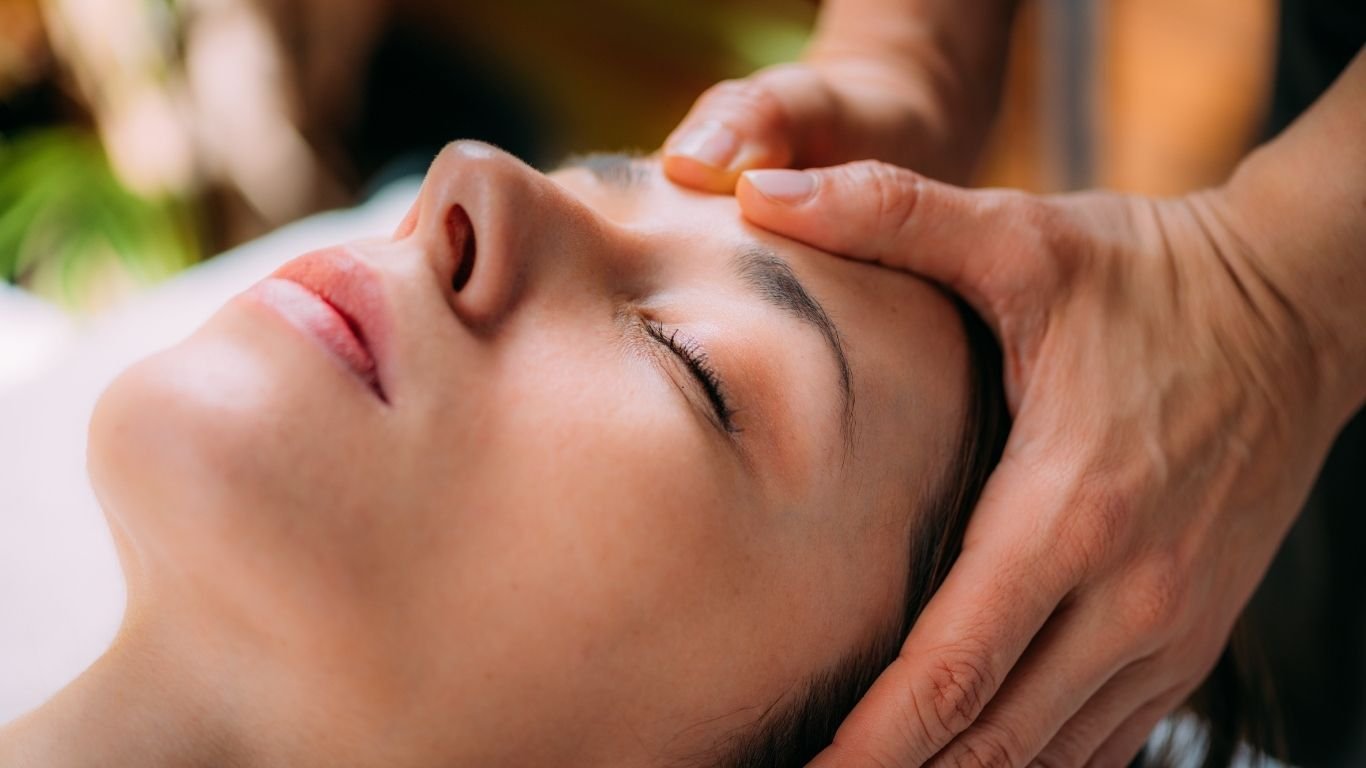
- We identify trigger points in your neck, shoulders, scalp, and upper back.
- We use gentle, controlled pressure to release tight muscles.
- Breathing techniques may be incorporated to deepen relaxation.
The goal isn’t aggressive pressure. In fact, with migraine sufferers, softer techniques are often more effective. We focus on calming your nervous system while gradually releasing tension.
Many clients at Wellness by HealCure report feeling lighter, clearer, and deeply relaxed after just one session.
Can Massage Therapy Prevent Migraines?
This is one of the most common questions we hear.
The short answer: Yes, it can help reduce frequency and intensity when done consistently.
While massage may not “cure” migraines completely, regular sessions can:
- Decrease how often migraines occur
- Reduce severity
- Shorten the duration of attacks
- Improve sleep quality
- Improve posture
- Help you manage stress better
Think of Massage therapy for migraines as part of your long-term wellness plan — not just a quick fix.
Consistency matters. That’s why at Wellness by HealCure, we often recommend a customized treatment schedule based on how frequent your migraines are.
Who Can Benefit the Most?
Massage therapy is especially helpful if your migraines are connected to:
- Desk work and poor posture
- Chronic neck stiffness
- Stress and anxiety
- Jaw tension (TMJ issues)
- Shoulder tightness
If you often feel tightness before a migraine starts, that’s a strong sign that massage therapy may help you.
Even if your migraines are hormonal or weather-related, reducing muscle tension and stress can still lower overall sensitivity.
Why Choose Wellness by HealCure?
When it comes to Massage therapy for migraines, experience and understanding matter.
At Wellness by HealCure, we don’t just provide a relaxing massage — we focus on therapeutic care designed specifically for pain relief and long-term wellness.
Here’s what makes our approach different:
- Personalized assessment before every treatment.
- Skilled therapists trained in therapeutic techniques.
- Calm, welcoming environment.
- Focus on root causes, not just symptoms.
- Holistic wellness support
We believe healing should feel supportive and empowering — not clinical or rushed. From the moment you walk in, your comfort is our priority.
How Many Sessions Do You Need?
This depends on your migraine frequency and severity.
Some clients feel noticeable improvement after 1–2 sessions. Others benefit most from ongoing care over several weeks.
For chronic migraines, we may suggest:
- Weekly sessions at first
- Gradually moving to bi-weekly or monthly maintenance
We always adjust based on how your body responds.
The good news? Massage therapy is safe, natural, and works alongside other treatments your doctor may recommend.
Simple Tips to Support Your Massage Results at Home
To get the most out of Massage therapy for migraines, you can also:
- Stay hydrated
- Practice gentle neck stretches
- Improve workstation ergonomics
- Get consistent sleep
- Practice stress-reducing breathing exercises
We’re always happy to guide you with simple at-home strategies during your visits at Wellness by HealCure.
Is Massage Therapy for Migraines Right for You?
If migraines are affecting your daily life, it’s worth exploring natural support options.
You don’t have to live in constant fear of your next headache.
Massage therapy offers:
- A drug-free approach
- Long-term stress relief
- Reduced muscle tension
- Improved overall well-being
And most importantly — it gives you back a sense of control.
Let’s Help You Feel Better
Living with migraines can feel isolating. But you’re not alone — and relief is possible.
At Wellness by HealCure, we’re here to support your healing journey with compassionate, personalized care. If you’re ready to experience the benefits of Massage therapy for migraines, our team is ready to help you take that first step.
Book your appointment today and let’s work together toward fewer migraines, less tension, and a calmer, more balanced life.
Because you deserve to feel good — consistently.
Frequently Asked Questions About Massage Therapy for Migraines
What is massage therapy for migraines?
At Wellness by HealCure, we use targeted therapeutic techniques on the neck, shoulders, upper back, and scalp — areas that commonly trigger migraine attacks. The goal is not just temporary relief, but long-term improvement.
How does massage therapy for migraines actually work?
Massage helps by:
Releasing muscle tightness
Improving oxygen flow to tissues
Reducing stress hormones
Activating your body’s relaxation response
When your body feels calmer and less tense, migraines are less likely to escalate.
Can massage therapy prevent migraines?
Prevention works best when massage becomes part of your regular wellness routine.
How often should I get massage therapy for migraines?
For chronic migraines, we may recommend weekly sessions at first. As your symptoms improve, sessions can shift to bi-weekly or monthly maintenance.
At Wellness by HealCure, we always customize your treatment plan based on your individual needs.
Is massage therapy safe during a migraine attack?
If you're unsure, it's best to speak with your therapist beforehand so the session can be adjusted to your comfort level.
What areas are treated during massage therapy for migraines?
Neck
Shoulders
Upper back
Scalp
Jaw (if tension is present)
These areas often hold stress and muscular tightness that contribute to migraine pain.